Partington Oswald Mtatabikwa’s NEBOSH case study describes a journey shaped by adversity, determination and a powerful commitment to health and safety. His story began with a workplace explosion in South Africa on 4 June 2010, which caused serious burns and led to the amputation of his right arm below the elbow and left leg above the knee.
After spending 12 months in hospital, Partington faced a choice: give up or rebuild his life. He chose to restart, using his recovery as the foundation for a new purpose.
During that period, he began to reflect deeply on what had happened and how his experience could help others. He decided to share his story around the world, encouraging workers to take personal ownership of their safety.
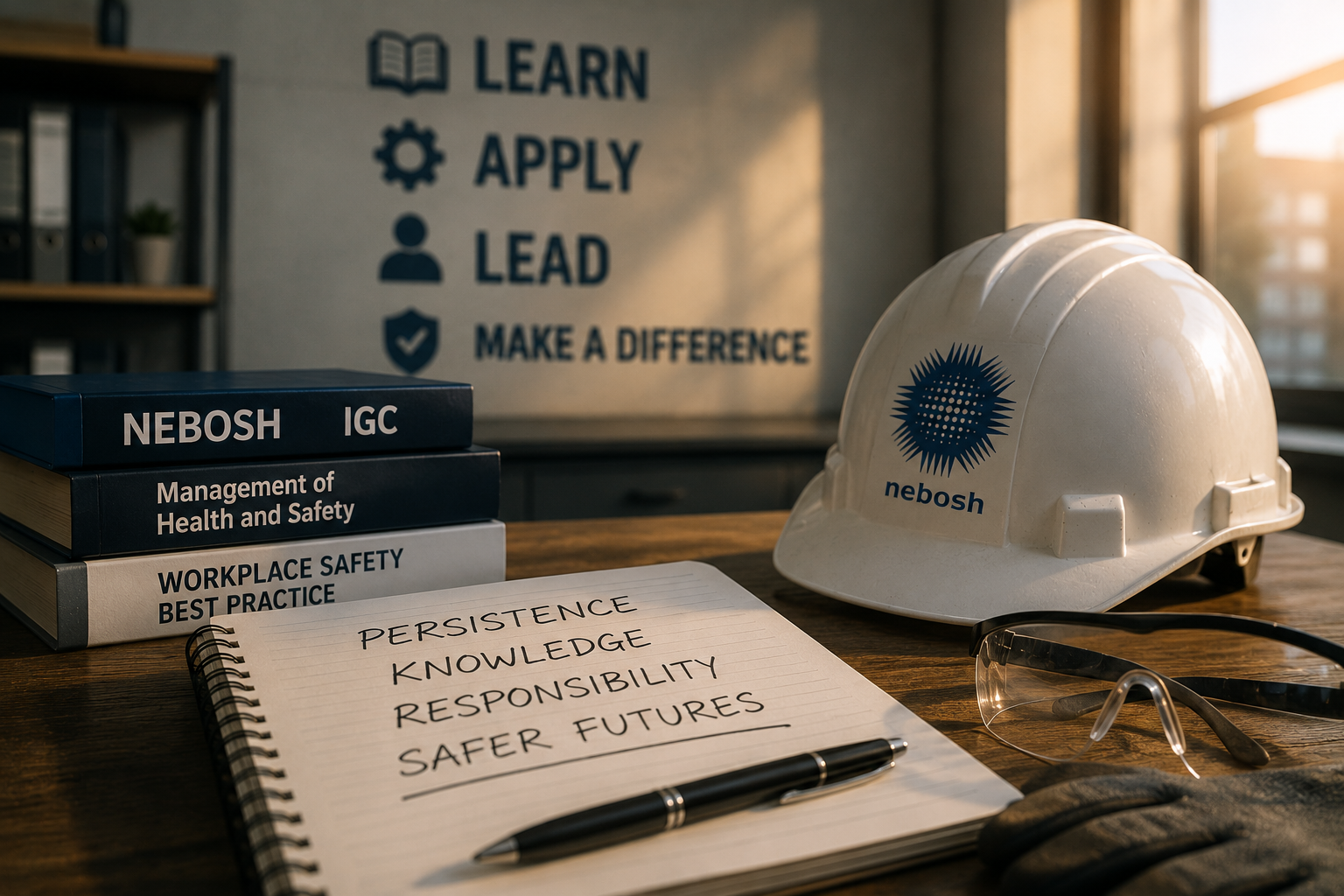
His NEBOSH studies became an important part of that mission. Partington completed the NEBOSH International General Certificate in 2023, followed by the NEBOSH International Diploma, which he passed in 2025. He chose these qualifications because of their global recognition, practical approach and relevance to international safety standards.
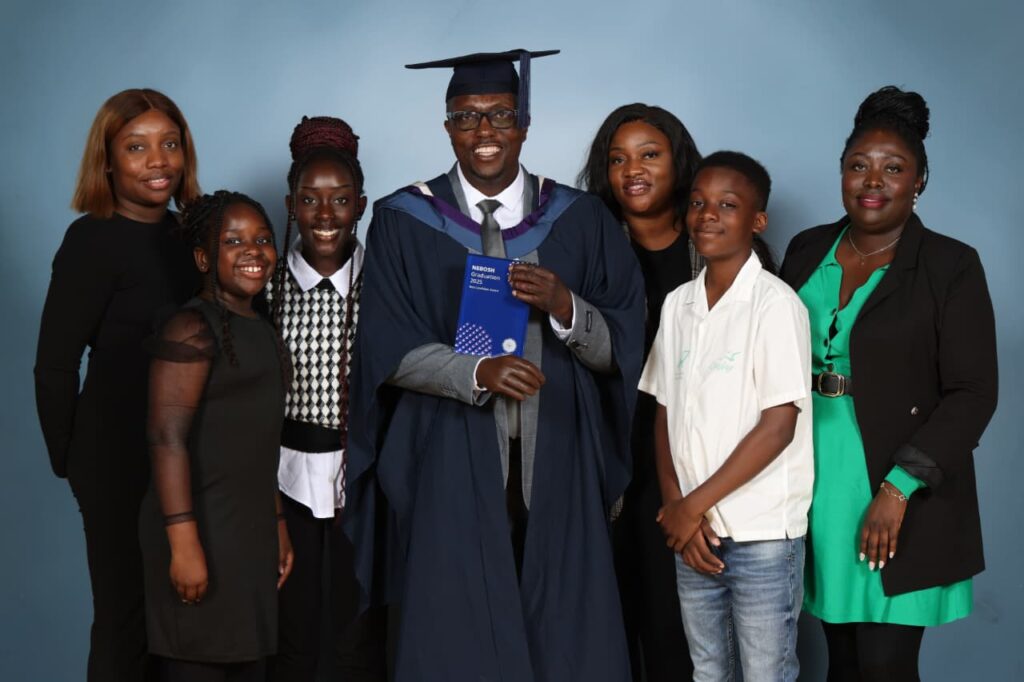
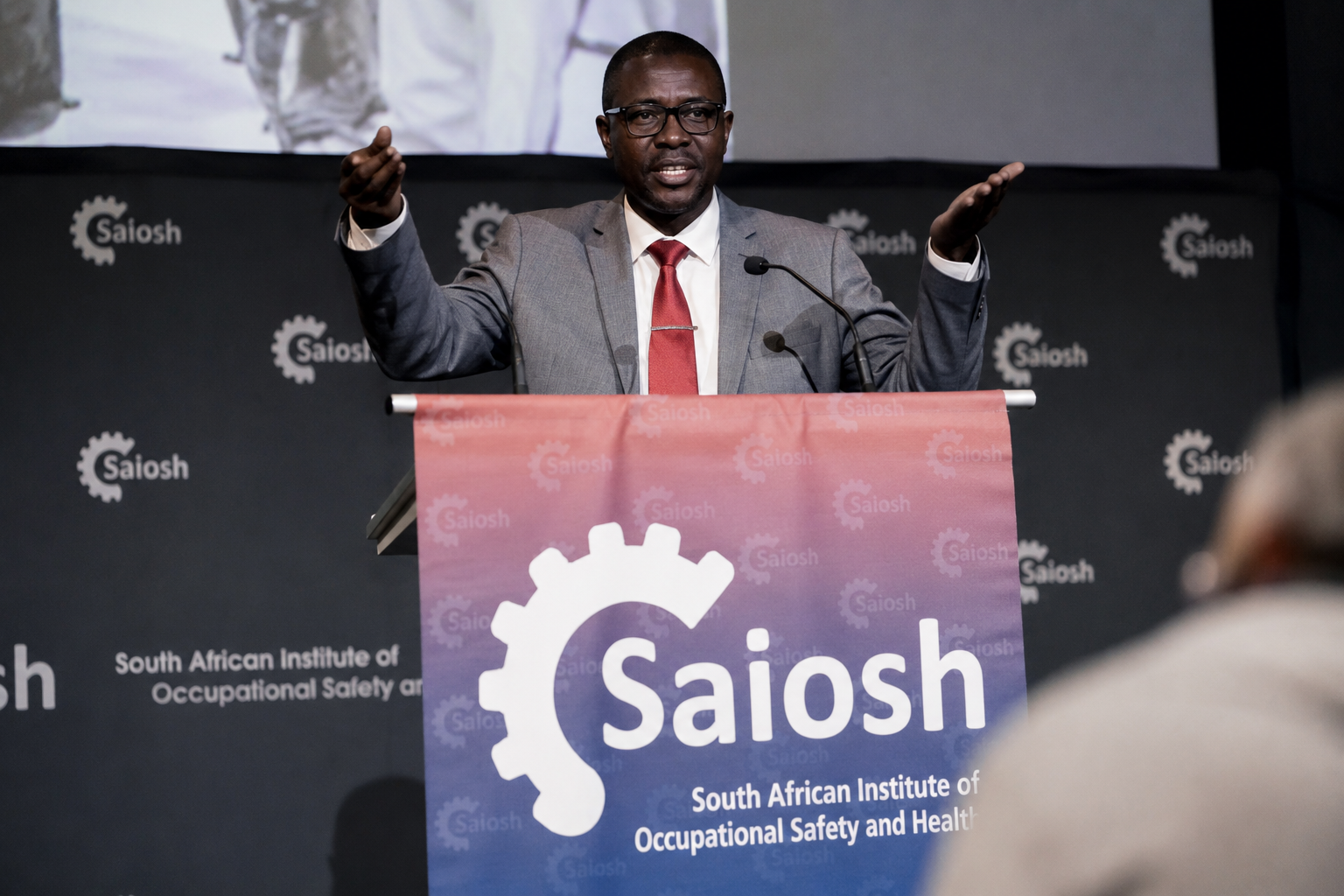
For Partington, education was not only about gaining credentials. It was about strengthening his ability to speak with authority and confidence in front of audiences across different sectors and countries.
His message is built around one essential idea: safety must become personal. Policies, training and procedures are important, but they only work when people understand the consequences of their actions.
Partington’s story gives workers a real-life example of what can happen when risk is underestimated. It also shows that resilience, discipline and persistence can create a new path after life-changing trauma.
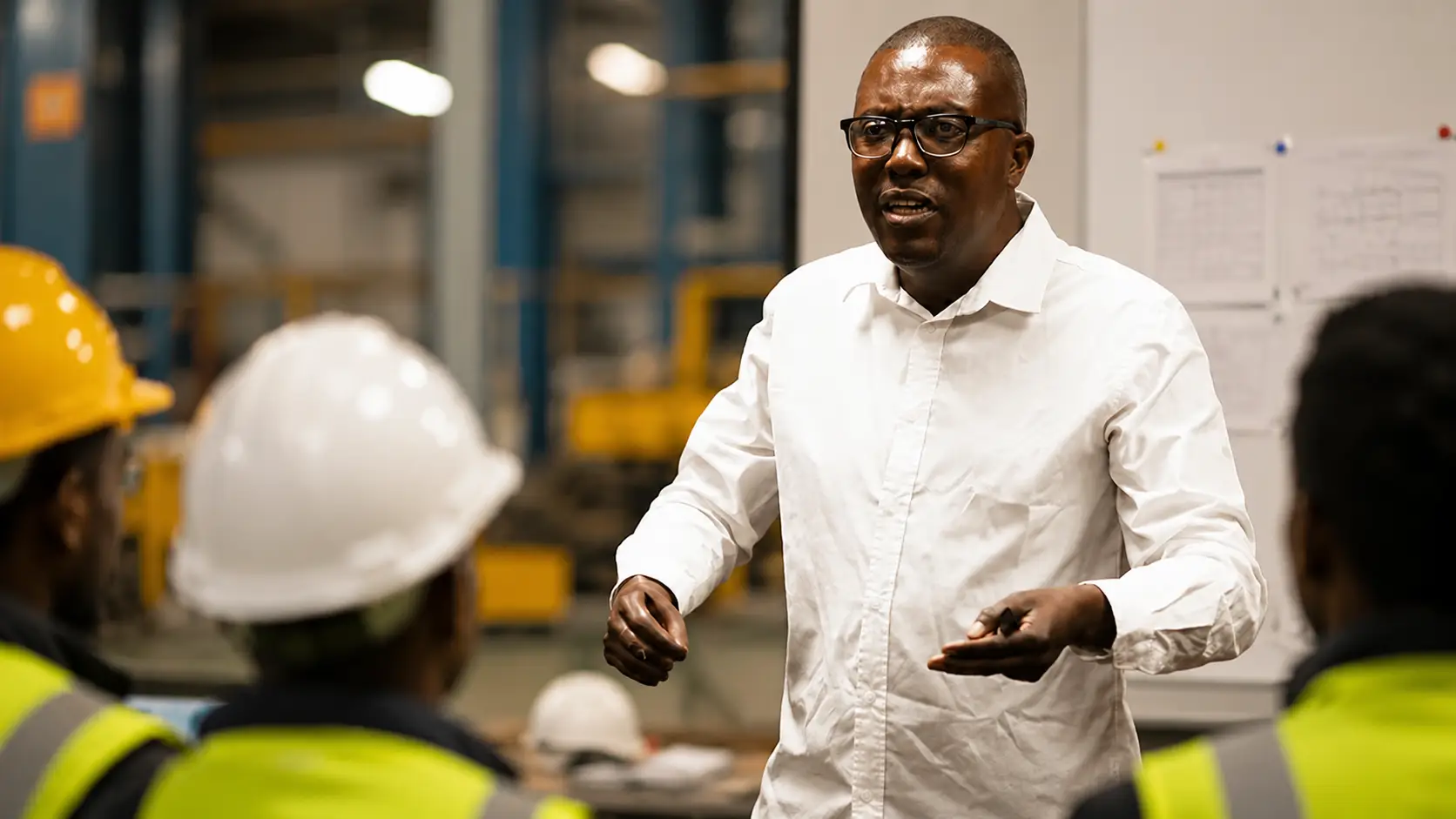
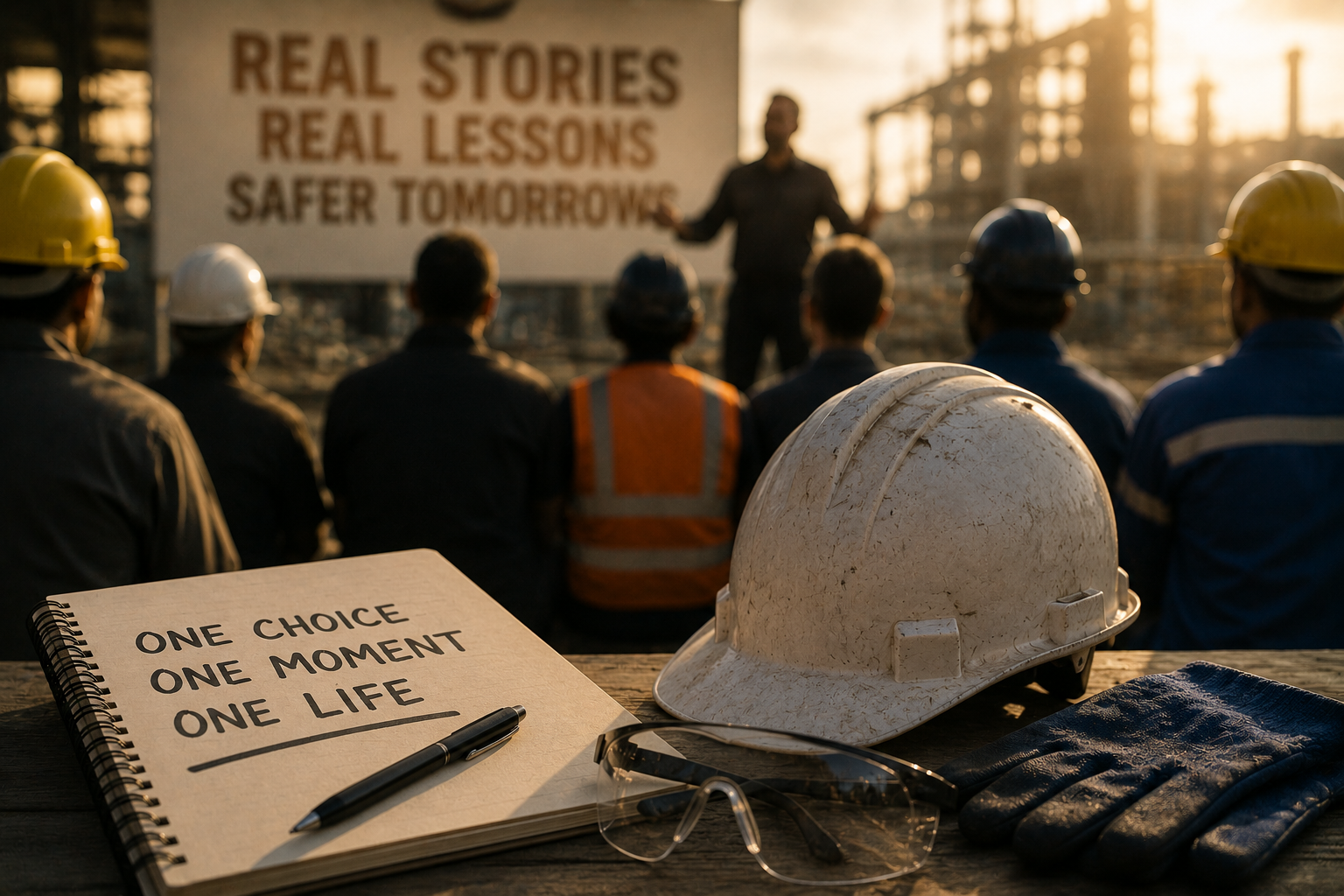
Through his talks and safety training, Partington now uses his NEBOSH knowledge and lived experience to help others understand risk, accountability and prevention. He explains the moral, legal and financial reasons for health and safety in a way that is human, practical and memorable.
His journey is proof that education, persistence and purpose can turn personal tragedy into meaningful change.